
FOR PRACTICES · 8 MIN READ
Missed call text back for dental offices.
The math of a missed patient call, what a good text-back setup does, and the HIPAA-conscious way to run it.
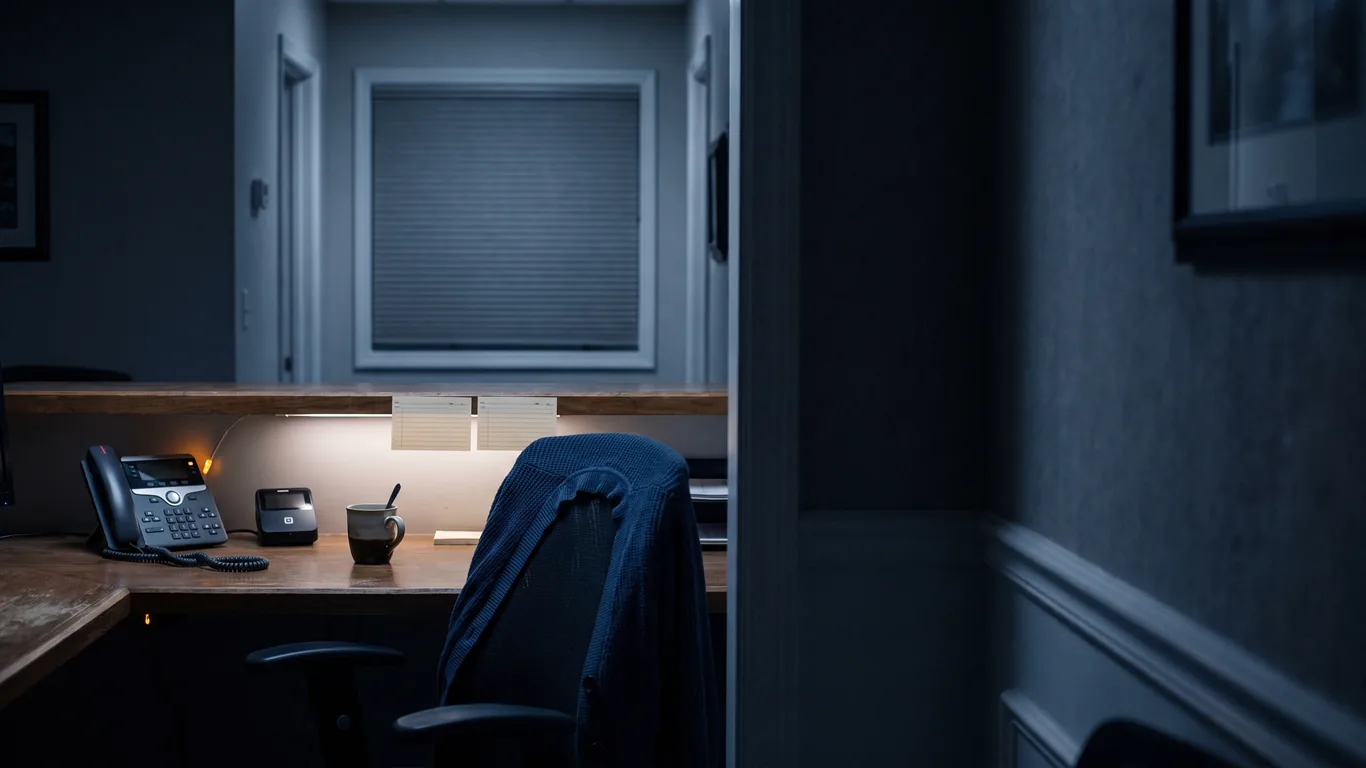
Missed call text back for dental offices is the least glamorous system I install and the one with the fastest payback. The idea fits in one sentence. When your front desk cannot pick up, the caller gets an instant text with an apology and a booking link instead of a dead end. That is the whole product.
What surprises owners is not how it works. It is the math of what those unanswered calls have been costing all along. I build websites and follow-up systems for health and wellness practices across Essex and Union County, including dental offices in Maplewood, South Orange, and Westfield. This guide is the plain-English version of what I tell those owners: the math, the mechanics, and the HIPAA-conscious way to set it up.
The order below is the order I would read it in. First the math of a missed dental call. Then why a front desk physically cannot answer everything, what missed call text back actually is, what separates a good setup from an annoying one, how to keep the texts thin enough to stay HIPAA-conscious, and where the whole thing sits inside the plan.
Start with the moneyThe math of a missed dental call
Dental consultants argue about the exact lifetime value of a patient. Nobody argues that it is small. A patient who stays with your practice comes back twice a year, accepts treatment when they need it, and brings a spouse and kids with them. The first phone call is the cheapest moment in that entire relationship, and it is the moment most offices treat most casually.
So run the napkin math with deliberately low numbers.
The napkin version- A busy front desk misses calls every single day. To stay conservative, call it five a week.
- Assume only one of those five was a new patient ready to book. The other four were reschedules and robocalls.
- A new dental patient is worth real money in year one, and more over the years they stay, before counting the family members they bring.
- One lost new patient a week is roughly 50 a year, quietly walking to the office down the street. We do not put a revenue number on that, because we would be making it up.
You can cut those assumptions in half and the conclusion does not move: the missed call is the most expensive silence in your practice.
And the caller behavior makes it worse. A patient with a toothache is not loyal yet. They are working down a list of search results, and to them voicemail signals that it is time to dial the next office. If you suspect you are not even showing up in that list, start with my 10-minute self-check for dental practices on Google. Visibility and answer rate are the two halves of the same leak.
The first call is the cheapest moment you get.
Your front desk cannot answer everything.
Your front desk physically cannot answer everything, and none of this is a staffing criticism. It is arithmetic. A typical two-person front desk is checking in a family of four, verifying a crown with an insurance rep who has them on hold, and collecting a copay, all at 10:40 on a Tuesday. The phone rings twice and goes quiet. Nobody did anything wrong. There were simply more conversations than hands.
Then there are the hours when nobody is even supposed to answer: lunch, Friday at 5:01, the week a hygienist is out and everyone is covering chairs, and every evening and weekend, which is exactly when working parents finally have a minute to deal with the tooth that has been bothering them since Monday.
I hear the same story from practice owners around Maplewood and South Orange, including at local business events: everyone believes their team answers almost every call, and almost nobody has looked at the call log. The log is humbling. Offices that pull it usually find that reality is a phone that goes unanswered several times a day, and a voicemail box that patients treat as a rejection.
It is not a staffing problem. It is arithmetic.
What missed call text back actually is
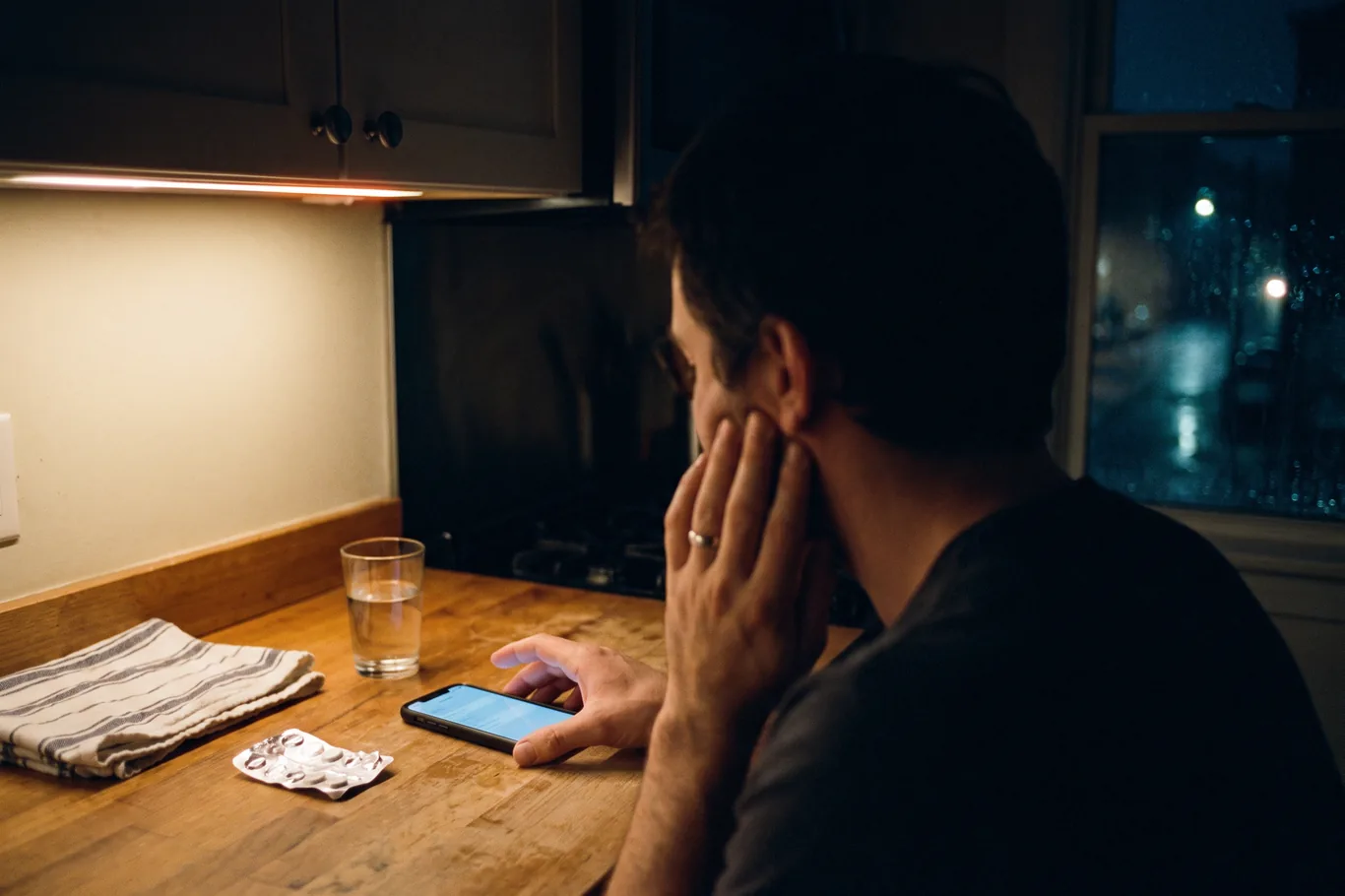
Strip away the marketing and it is one simple trigger. A call comes in, nobody picks up within a few rings, and the system immediately texts the caller something like: "Hi, this is Riverside Dental in South Orange. Sorry we missed you! Want to grab a time without calling back? Book here." The patient taps the link, picks a slot, and your schedule fills while your team keeps working on the person in front of them.
Notice what changed. The call is still missed, but it is no longer silent. The patient who was one thumb-tap away from your competitor is now in a text conversation with you, which is the channel most of them preferred anyway. Most people under 50 would rather text a business than sit through a phone tree, and almost nobody under 40 leaves a voicemail.
It also catches the calls your voicemail never sees. A large share of frustrated callers hang up during the rings and leave no trace except a line in the call log. Text-back reaches those people too, because it fires on the missed call itself, not on whether a message was left. That is the difference between a machine that collects voicemails and a system that recovers patients.
The call is still missed. It is no longer silent.
What a good setup does
The tool is simple. The difference between a setup that recovers patients and one that annoys them is entirely in the details.
Texts back in seconds
The reply lands while the caller is still holding the phone, before they tap the next practice on the map. The wording sounds like your office, not a robot.
Carries your booking link
The patient books from the text without ever calling back. Replies route to a shared inbox with a named owner, so no thread dies unread.
Speaks English and Spanish
A Spanish-speaking caller gets a Spanish text. In Union County, a real share of your patients would rather talk in Spanish, so meeting them there keeps those calls from going elsewhere.
Covers nights and weekends
The Saturday toothache gets an instant answer while your office is dark, and your front desk walks in Monday to a clean summary instead of a cold voicemail light.
The bad version of this tool exists too: a generic "we will call you back" that arrives twenty minutes late, in English only, with no booking link, feeding replies into an inbox nobody owns. That version teaches patients to ignore your texts. Wording, speed, and ownership are the whole game.
The details decide whether patients feel helped.
Keep the texts thin: the HIPAA-conscious part
Standard SMS is not encrypted, so the rule for a dental office is simple: the thread stays thin. The first text needs zero health information to do its job, and everything sensitive belongs on the phone or in a patient portal, not in a message bubble.
Safe to text
- Sorry we missed your call, plus your practice name
- A link to book or request an appointment online
- Office hours, directions, and parking
- A consented reminder with only a date and a time
- A way to opt out of texting entirely
Keep out of texts
- Treatment or procedure details of any kind
- Diagnoses, x-ray findings, or results talk
- Insurance, billing, or payment specifics
- Health questions that invite the patient to overshare
- Anything you would not want read aloud in your waiting room
Behind the wording sits the paperwork: any vendor whose system touches patient information should sign a Business Associate Agreement, and your consent and retention policies should be written down. I walked through that whole checklist, BAAs, subprocessors, encryption, and scope, in my guide on whether an AI receptionist is HIPAA compliant. The same homework covers text-back, and I am not a lawyer, so your compliance officer keeps the final word.
The first text needs zero health information.
Where it fits: a separate add-on
Here is the honest cost picture. The raw software behind text-back is cheap, and standalone tools are cheap. If you have a tech-comfortable office manager with spare time, you could wire up a basic version yourself, and it would still beat silence. The expensive part is not the tool. It is getting the wording, the bilingual templates, the booking link, the reply routing, and the compliance guardrails right, then keeping them right as staff and hours change.
That is why I do not sell it as a gadget. Missed-call text-back is one of the add-ons. It is separate from the website and month to month. You add it when you want it, and you see the number first. It runs alongside the 24/7 AI receptionist for medical offices, which answers and books most calls so they never become missed calls, plus old-lead reactivation and the ongoing local SEO work. Text-back is the net under all of it.
One dependency worth naming: the text is only as strong as the page it opens. If the booking link lands on a slow site with no online scheduling, the recovered patient leaks right back out. That is why I treat text-back and the website as one system, and why my dental builds ship with booking built in from day one.
The tool is cheap. Getting it right is not.
Common questions
How fast does the text go out?
Within seconds, and that speed is the entire point. The patient is still holding their phone, still in booking mode, and has not yet tapped the next practice in the search results. A text that lands in under a minute usually starts a conversation. A callback three hours later usually reaches someone who already booked elsewhere.
Is missed call text back HIPAA compliant?
It can be run in a HIPAA-conscious way if the messages stay thin and every vendor that touches message data signs a Business Associate Agreement. The first text needs no health information at all: an apology, your practice name, and a booking link. Keep treatment details, results, and billing specifics out of the thread, document consent for ongoing texting, and have your compliance officer review the setup before launch.
What does missed call text back cost?
The raw software is cheap, which is why I call it the least expensive leak a practice can fix. The real work is the setup: wording that sounds like your office, a booking link that opens a page worth landing on, English and Spanish templates, and routing so a named human owns every reply. I run it as one of the add-ons, separate from the website and month to month, and you see the number before you commit.
Do I need it with an answering service?
They stack, and they cover different failures. An AI receptionist answers the call so it never becomes a missed call in the first place. Text-back is the net underneath for everything else: the caller who hangs up on the second ring, the second line that rings during a lunch rush, the day the phones misbehave. Run them together and a small office gets to genuinely zero silent calls.
Seconds matter, because the patient is still holding the phone.
START HERE
See the offer, then add the texts.
18 deliverables. Your first 90 days of growth come with it. You own the website and the domain, both in your name.
Get your free Visibility Report Love it or your money back. A full, no-strings refund until the day you approve your live website.